
Plumbing Maintenance: Preventing
Leaks and Clogs
Not every repair requires a professional. Our DIY home repair guides walk you through simple
tasks you can handle on your own, saving your time and money.
100+
Articles
10+
Categories Articles
99%
Insightful
15k+
People Reading
Articles
Plumbing Maintenance: Preventing Leaks and Clogs
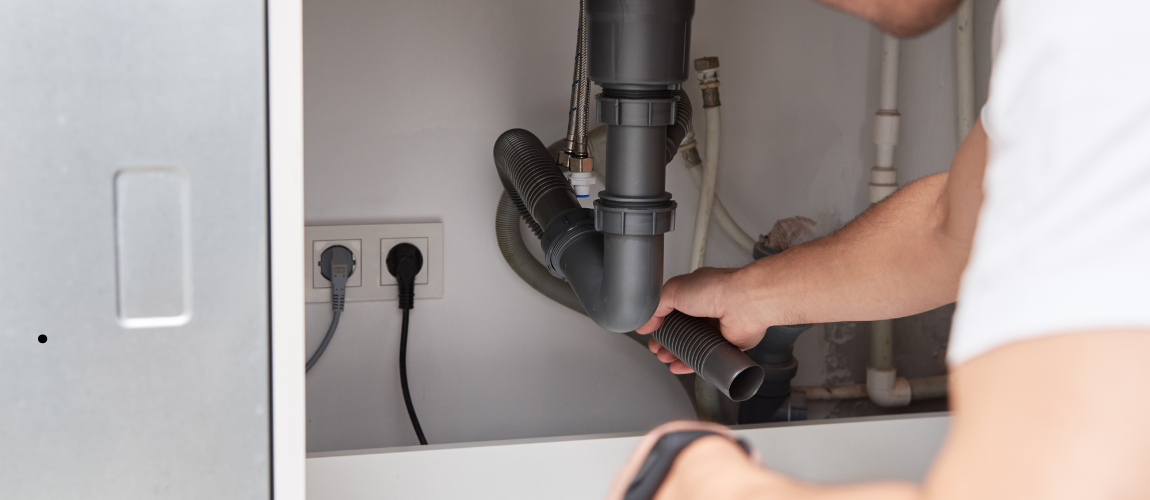
Plumbing problems can lead to costly repairs if left unchecked to prevent maintenance advice helps you avoid common issues like leaky and clogs. With the right tools and a bit of know-how, you can handle many common home repairs on your own. Here are some simple DIY fixes that every homeowner can tackle with confidence.
Fixing Leaky and Clogs
Maintaining your home's plumbing system is crucial to avoid costly repairs and water damage. Simple, regular maintenance can keep your pipes flowing smoothly.
Steps:
-
Monitor Water Pressure: Ensure your water pressure is not excessively high (ideally below 60 psi)
to prevent stress on pipes and fittings, which can lead to leaks. -
Use Drain Screens: Install screens over all your drains to catch hair, soap scum, and food
particles before they can form deep clogs. -
Flush with Hot Water: Periodically flush slow drains with a kettle of boiling water (for metal pipes)
or very hot water (for PVC pipes) to dissolve minor grease and residue buildup. -
Know Your Shutoff Valves: Locate and regularly test the main water shutoff valve for your house,
and the individual shutoff valves for sinks and toilets,
so you can quickly stop the flow in an emergency.
Dealing with a Running Toilet
A toilet that keeps running after flushing wastes a significant amount of water. This is often an easy fix and a great way to save on your water bill.
Steps:
-
Check the Flapper: Lift the tank lid and check if the rubber flapper (which seals the drain hole)
is worn out or not seating correctly. Replace it if it's damaged. -
Adjust the Float: If the water level is too high and spilling into the overflow tube, gently
adjust the float cup or arm so the water stops filling about an inch below the overflow tube. -
Inspect the Fill Valve: Ensure the fill valve mechanism is shutting off completely when the
correct water level is reached. If not, it may need cleaning or replacement. -
Check the Chain: Ensure the chain connecting the flush lever to the flapper has
enough slack (about a half-inch) so it doesn't snag and prevent the flapper
from sealing completely.