
Painting Tips for a Professional Finish
A professional finish isn't luck, it's meticulous technique: always prep the surface, prime thoroughly,
and maintain a wet edge to ensure seamless color that lasts.
100+
Articles
10+
Categories Articles
99%
Insightful
15k+
People Reading
Articles
Painting & Decorating tips for
a Professional Finish
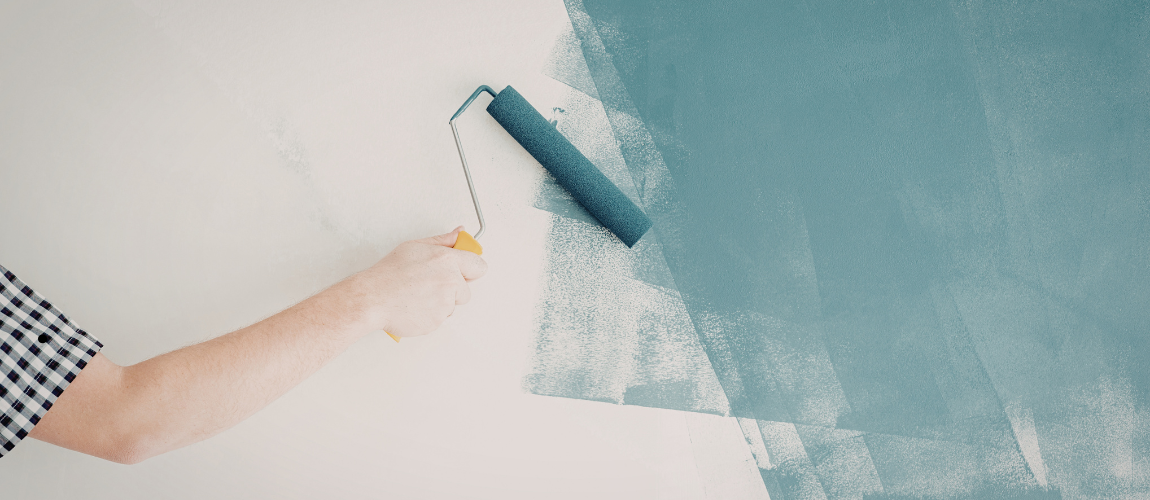
Before you ever dip your brush, remember that the secret to truly professional results lies in meticulous planning and surface care: Clean, patch, and properly prime every area, because a flawless finish is fundamentally built upon a perfectly smooth base.
Tips for a Professional Finish
Zaroor! Aapke liye Painting Tips for a Professional Finish par usi format mein article yahaan hai: Painting Tips for a Professional Finish Achieving a high-quality, professional paint job at home relies heavily on preparation and technique. A smooth finish starts long before the brush touches the wall.
Steps:
-
Proper Surface Preparation: Before painting, clean your walls thoroughly and patch all
holes or imperfections with spackling paste. Sand the patched areas smooth for an even
surface. -
Use Painter's Tape Correctly: Apply high-quality painter's tape along baseboards, door
trims, and ceilings. Press the edges down firmly to create a complete seal and prevent paint
bleed. -
Prime the Bare Surfaces: Always apply a coat of primer to any patched areas or bare
drywall. Primer ensures better paint adhesion, coverage, and a uniform color finish. -
Cut In Before Rolling: Use a small brush to "cut in" along the edges, corners, and trim first.
Once the cut-in paint is applied, use the roller on the main wall area while the edge paint
is still wet to blend the finishes seamlessly.
Choosing the Right Tools and Techniques
The final look of your paint job is greatly influenced by the type of brush, roller, and painting method you choose. Investing in good tools pays off with a superior finish.
Steps:
-
Select the Right Roller Nap: Use a short nap (around $3/8$ inch) for smooth walls and
a longer nap for textured surfaces. The wrong nap can lead to an inconsistent texture. -
Avoid Overloading the Brush/Roller: Dip only the bottom third of your brush into the paint,
and don't saturate the roller sleeve. Too much paint causes drips and streaks. -
Maintain a Wet Edge: When rolling, work in small sections and apply the paint in a "W" or
"M" pattern, filling it in without lifting the roller. This ensures the edge of your newly painted
area is always wet, preventing visible lap lines. -
Remove Tape While Paint is Damp: Peel off the painter's tape slowly at a 45-degree
angle immediately after your final coat is applied, while the paint is still damp.
Waiting until the paint is fully dry can cause it to chip or tear.