
Electrical Safety; what you need to know before starting a diy project
Electricity is an invisible hazard; consequently, it must be treated with the respect it commands for every project. To ensure safety, never bypass professional advice. Additionally, always install GFCI protection in wet areas and ensure every component is correctly rated for the load.
100+
Articles
10+
Categories Articles
99%
Insightful
15k+
People Reading
Articles
Electrical Safety
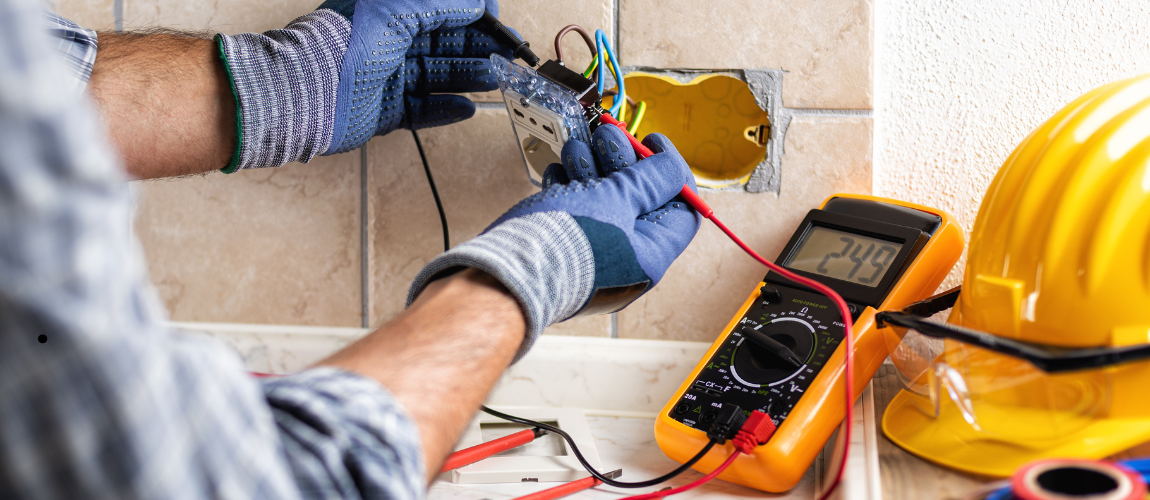
Before your DIY ambition takes charge, remember the golden rule of home wiring. First, always confirm the power is off at the breaker. Next, test the circuit twice to be certain. Finally, proceed only with insulated tools in order to protect yourself from dangerous currents.
Electrical Safety: What You Need to Know Before Starting a DIY Project
Working with electricity can be extremely dangerous if proper precautions are not followed. For this reason, it is vital to prioritize safety before touching any wires or outlets. By doing so, you can effectively prevent both personal injury and property damage.
Steps:
-
Turn Off Power at the Breaker: ALWAYS locate the main circuit breaker panel and switch
off the power to the specific area you will be working on. Double-check that the power is off
using a voltage tester. -
Use the Right Tools: Ensure you use tools that are properly insulated and specifically rated
for electrical work. Never use damaged or non-insulated tools. -
Wear Safety Gear: Wear non-conductive safety glasses and rubber-soled shoes. Avoid
wearing any metal jewelry (like rings or bracelets) that could conduct electricity. -
Never Mix Water and Electricity: Ensure the work area is completely dry. Never attempt
electrical repairs while standing in water or if your hands are wet.
Understanding Your Home's Electrical Panel
The electrical panel, or breaker box, is essentially the heart of your home's electrical system. Because of this, knowing how to use it is the most critical safety skill for any homeowner. Indeed, understanding this component can prevent emergencies and ensure your home's power stays regulated.
Steps:
-
Locate and Label Breakers: Clearly label each circuit breaker with the room or appliance it
controls. This allows you to quickly shut off power in an emergency or before starting
a project. -
Understand Circuit Load: Never try to bypass a tripping breaker by simply resetting it
repeatedly. A tripping breaker indicates an overload or a short circuit, which needs
professional inspection. -
Keep Panel Area Clear: Maintain at least three feet of clear space around the electrical
panel. Never use this area for storage, as quick access is essential. -
Install GFCI Outlets: Ensure that outlets in wet locations (kitchens, bathrooms,
garages, and outdoors) are Ground Fault Circuit Interrupter (GFCI) protected to
prevent severe shocks.