
Reliable Home Repair Services for Your Family’s Security and Peace of Mind
While we offer expert help, not every repair requires a professional. Instead, our DIY home repair guides walk you through simple tasks you can handle on your own. As a result, you can complete repairs efficiently while saving both your time and money.
100+
Articles
10+
Categories Articles
99%
Insightful
15k+
People Reading
Articles
Seasonal Home Maintenance
Checklist
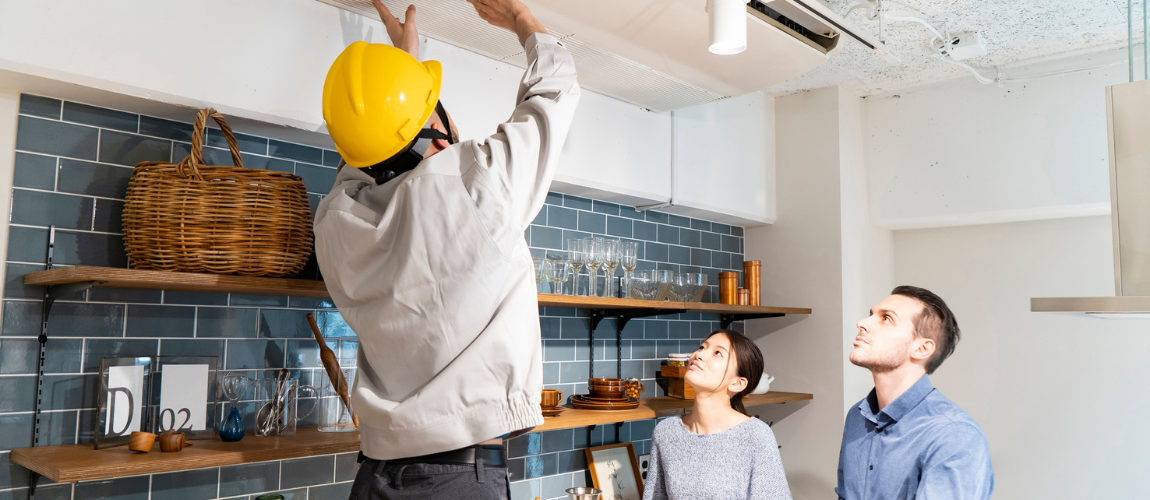
Keeping up with seasonal home maintenance is essential in order to prevent costly repairs. Furthermore, staying proactive ensures that your home stays in great shape year-round, thereby protecting your long-term investment.
Home Maintenance Checklist
Regular seasonal maintenance is key to protecting your investment. Moreover, it helps in improving energy efficiency and, consequently, prevents unexpected, costly repairs throughout the year.
Steps:
-
Clean Gutters and Downspouts: Clear all leaves and debris from gutters every spring and fall to ensure
proper water drainage and prevent water damage to your foundation and roof. -
Inspect HVAC Filters: Change or clean your air conditioning and heating filters every 1 to 3 months.
This improves air quality and keeps your system running efficiently. -
Check Roof and Chimney: Twice a year, inspect the roof for missing or damaged shingles and
check the chimney (if applicable) for cracks or blockages before the rainy/cold seasons. -
est Smoke and Carbon Monoxide Detectors: Replace the batteries in all detectors at least twice a year (a good practice is to
do this when daylight savings time changes) and test them to ensure they are working properly.
Preparing for Winter: Protecting Your Pipes
When temperatures drop below freezing, unprotected pipes can burst, causing significant flooding and damage. However, a little preparation goes a long way. By taking simple precautions, you can safeguard your plumbing system against the harsh winter cold.
Steps:
-
Disconnect Hoses: Remove all garden hoses from outdoor spigots (faucets) and drain them completely.
Leaving them attached can trap water and freeze the connecting spigot. -
Insulate Exposed Pipes: Wrap any exposed water pipes in unheated areas (like garages,
crawl spaces, or attics) with foam pipe insulation to prevent freezing. -
Drain Sprinkler Systems: If you have an in-ground sprinkler system, have it professionally
blown out or manually drained to remove all water from the lines before the first freeze. -
Know Your Shutoff Valves: Ensure you know how to shut off the water to any outside
spigots. In a prolonged cold snap, open cabinet doors under sinks to let warm indoor air
circulate around the pipes.